Source uv protection classic sunglasses for fashion, driving, and outdoor activities
Explore 30 listings of uv protection classic sunglasses featuring diverse frame materials like PC and alloy, lens options including glass and TAC, and styles ranging from vintage to newest fashion. Buyers can compare specifications such as size, UV400 protection, and customization availability to find suitable options for various occasions.
Key considerations
Products List


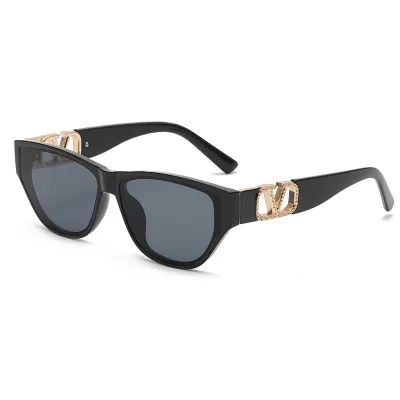
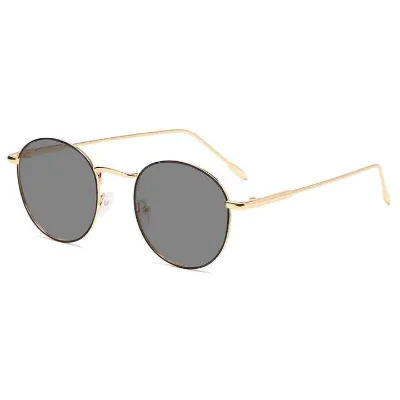


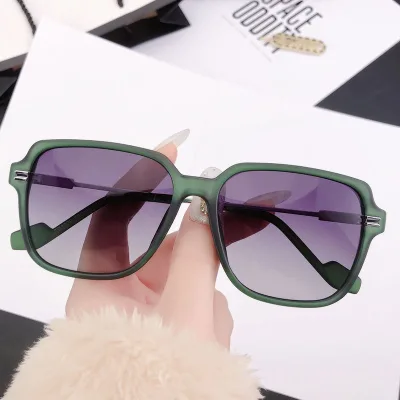


Comprehensive Sourcing Guide
Strategic Sourcing Guide for UV Protection Classic Sunglasses
Understanding Product Attributes and Variability in the Market
When sourcing UV protection classic sunglasses, buyers must first navigate the inherent variability in product definitions and specifications found in global supply chains. The term "classic sunglasses" often encompasses a wide spectrum of designs, ranging from vintage-inspired frames to modern fashion statements, yet the core requirement remains consistent: effective UV protection and durable construction. In the current market, observed product attributes reveal significant diversity in frame materials, lens compositions, and intended face shapes. For instance, some listings specify frames constructed from Polycarbonate (PC) paired with acrylic lenses, while others utilize alloy frames with glass lenses. This material divergence directly impacts the product's weight, impact resistance, and optical clarity.
A critical observation in the supply data is the variation in lens optical attributes. While the core keyword emphasizes UV protection, specific product listings highlight distinct optical features such as polarization, specific UV ratings like UV400, or general fashion-oriented UV styling. Buyers should not assume that all "classic" styles automatically possess identical optical performance. Some products are explicitly categorized as "Special Sunglasses" or "Visor Sunglasses," indicating that the form factor may deviate from traditional eyewear designs. Furthermore, the suitability of these products varies by face shape; data indicates options suitable for both oval and round faces, often marketed as unisex. This suggests that while the "classic" aesthetic is universal, the fit and ergonomics are highly specific to the individual product model.
The market also presents a wide range of customization capabilities. Many suppliers offer "Customer Logo" services and welcome OEM (Original Equipment Manufacturer) designs, allowing buyers to brand products for specific retail channels. However, the extent of this customization varies. Some products are described as "Newest Fashion Sunglasses" with a focus on novelty and eco-friendly features, while others prioritize vintage aesthetics with specific color palettes like brown, green, or smoke lenses. Understanding these distinctions is the first step in aligning procurement needs with available inventory, as the "classic" label can mask significant differences in manufacturing intent and target demographics.
Technical Specifications and Material Composition Analysis
Evaluating the technical specifications of UV protection classic sunglasses requires a deep dive into the materials used for both frames and lenses, as these components dictate the product's longevity and safety profile. The supply data highlights several distinct material combinations. Polycarbonate (PC) frames are frequently paired with acrylic lenses, a combination that typically offers high impact resistance and cost-effectiveness, making it suitable for mass-market fashion eyewear. In contrast, other listings specify alloy frames with glass lenses. Glass lenses provide superior optical clarity and scratch resistance but are heavier and more prone to shattering upon impact compared to plastic alternatives.
Lens material is another critical technical differentiator. Beyond acrylic and glass, the market includes nylon and TAC (Tri-Acetate Cellulose) lenses. Nylon lenses are often chosen for their durability and flexibility, while TAC lenses are frequently associated with polarized capabilities. The presence of polarization as a specific optical attribute in some listings indicates a higher tier of functionality, reducing glare for outdoor activities. Conversely, other products may rely solely on UV coating for protection without polarization. Buyers must verify the specific lens material for each model, as this determines the product's suitability for specific environments, such as driving or water sports.
Frame dimensions and structural specifications are equally important for quality assessment. Observed specifications include precise measurements such as 50-20-140 and 55-18-148, representing the lens width, bridge width, and temple length respectively. These dimensions are vital for ensuring the sunglasses fit the intended demographic, particularly when targeting unisex markets. The data also notes specific model numbers like 20248201, YHZ3546, and G8075, which serve as unique identifiers for these technical configurations. Additionally, the "Standard" attribute in some listings refers to physical dimensions (e.g., 66-18-145), while in others, it may refer to compliance standards. Buyers must distinguish between physical sizing standards and regulatory compliance standards to avoid confusion during the specification phase.
The following table summarizes the observed material and specification variations to assist in technical comparison:
| Attribute Category | Observed Variations | Implications for Procurement |
|---|---|---|
| Frame Material | PC, Alloy, Plastic, TRLenses Color:Brown (likely typo for TR90 or similar) | PC and Plastic offer lightweight durability; Alloy offers premium feel but higher cost. |
| Lens Material | Acrylic, Glass, Nylon, TAC | Glass offers clarity; Nylon/TAC offers flexibility and polarization potential. |
| Optical Attributes | UV400, Polarized, UVStyle: Fashion/Vintage | Must verify specific UV rating; Polarization adds value for specific use cases. |
| Dimensions | 50-20-140, 55-18-148, 66-18-145 | Critical for fit; unisex sizing often requires a range of widths. |
| Color Options | Purple, Black, Brown, Green, Smoke | Affects aesthetic appeal and seasonal relevance; requires inventory planning. |
Compliance, Certification, and Regulatory Standards
Navigating the regulatory landscape is a paramount concern for buyers of UV protection sunglasses, as the product category is heavily regulated in many jurisdictions to ensure consumer safety. The supply data references several standards and certifications, including FDA, CE, ISO, and EN 14889: 2003. These references indicate that compliant products are available, but buyers must exercise caution in verifying the authenticity and scope of these certifications for specific orders. The mention of "FDA" suggests compliance with U.S. Food and Drug Administration regulations regarding medical devices and radiation-emitting products, which is critical for eye protection. Similarly, "CE" marking implies conformity with health, safety, and environmental protection standards for products sold within the European Economic Area.
The standard EN 14889: 2003 is particularly relevant as it pertains to sunglasses and related eyewear, specifying requirements for optical properties, durability, and labeling. When sourcing, buyers should request proof of compliance with this standard or its updated equivalents, as regulatory frameworks evolve. The data also mentions "ISO" standards, though specific ISO numbers are not always detailed in the product attributes. Buyers should clarify which ISO standards apply, such as ISO 12312-1 for eye protection, to ensure the product meets international safety benchmarks.
It is important to note that while some listings mention certifications like REACH, the confidence level for these claims varies. REACH (Registration, Evaluation, Authorisation and Restriction of Chemicals) is a European Union regulation concerning the registration, evaluation, authorization, and restriction of chemicals. If a buyer requires REACH compliance, particularly for plastic or alloy components, they must explicitly request a Declaration of Conformity or a test report from the supplier. Relying solely on a product listing's mention of "Eco-Friendly" or "Feature: With Logo" is insufficient for regulatory compliance. The procurement strategy must include a verification step where the supplier provides valid, up-to-date certification documents for the specific batch of goods being purchased.
Furthermore, the "Standard" attribute in some listings appears to be used for physical dimensions (e.g., 66-18-145) rather than regulatory standards. This ambiguity underscores the need for buyers to clearly distinguish between sizing specifications and compliance standards in their communication with suppliers. A robust procurement process involves requesting a compliance matrix that maps each product model to its specific regulatory certifications, ensuring that the UV protection claims are backed by verified testing data rather than marketing assertions.
Cost Drivers and Pricing Dynamics in the Supply Chain
The pricing structure for UV protection classic sunglasses is influenced by a complex interplay of factors, including material costs, manufacturing complexity, customization levels, and order volume. The observed price range in the market spans from $0.40 to $60.00 USD, a vast disparity that reflects the difference between basic fashion accessories and premium eyewear. The lower end of this spectrum typically corresponds to products made from cost-effective materials like PC frames and acrylic lenses, often produced in high volumes with minimal customization. These items are frequently marketed as "Novelty" or "Decoration" pieces, where the primary value proposition is aesthetic appeal rather than high-performance optical protection.
Conversely, the higher price points are driven by the use of premium materials such as glass lenses and alloy frames, which incur higher raw material and processing costs. Products featuring advanced optical attributes like polarization or specific UV400 certifications also command a premium. The "High Quality" designation in some listings often correlates with these higher price tiers, suggesting better craftsmanship and more rigorous quality control processes. Additionally, the level of customization significantly impacts cost. Orders requiring "Customer Logo" application, OEM design work, or specific packaging solutions like "Outer Box+Inner Box+Sealed Pocket" will incur additional tooling and labor charges compared to standard off-the-shelf inventory.
Order volume, represented by the Minimum Order Quantity (MOQ), is another critical cost driver. The observed MOQ range spans from 2 to 5,000 units. Buyers placing small orders, perhaps for sampling or niche retail testing, may face a higher per-unit cost due to the fixed costs of setup and production. In contrast, bulk orders approaching the upper end of the MOQ range can leverage economies of scale to reduce the unit price. The "Customized" attribute often implies a higher MOQ, as suppliers need to justify the setup costs for bespoke designs.
Buyers must also consider the origin of the products. The data indicates that many items originate from China, specifically from regions like Taizhou, Zhejiang. While this location offers competitive manufacturing costs, logistics and shipping expenses can affect the final landed cost. Furthermore, the "Occasion" attribute, such as "Celebration," may influence pricing if the product is designed for seasonal or event-specific markets, where demand fluctuations can impact pricing stability. A comprehensive cost analysis should account for the total cost of ownership, including the unit price, MOQ requirements, customization fees, and logistics, rather than focusing solely on the base price listed in the catalog.
Supplier Evaluation and Quality Assurance Protocols
Selecting the right supplier for UV protection classic sunglasses requires a rigorous evaluation process that goes beyond the initial product listing. Buyers should prioritize suppliers who demonstrate transparency regarding their manufacturing capabilities and quality control measures. The presence of "Customization: Available" and "Design: Welcom OEM" in product attributes suggests that the supplier is capable of handling bespoke orders, but this capability must be validated through a detailed supplier audit. Key evaluation criteria should include the supplier's experience with specific materials like glass or polarized lenses, their track record with international standards like FDA and CE, and their ability to maintain consistent quality across large production runs.
Quality assurance protocols are essential to mitigate the risks associated with the wide variance in product attributes observed in the market. Buyers should implement a multi-stage quality control strategy that includes pre-production sample approval, in-process inspections, and final random sampling. For products claiming UV400 protection or polarization, independent third-party testing is highly recommended to verify the optical performance claims. The "Quality: High Qulaity" (noting the typo in the source data) claim should be substantiated with actual test reports rather than accepted as a marketing statement.
The packaging specifications provided in the data, such as "Carton Box," "Outer Box+Inner Box+Sealed Pocket," and "Cardboard Box, Sealed Pocket," offer insights into the supplier's attention to detail. Robust packaging is crucial for protecting the sunglasses during transit, especially for fragile components like glass lenses. Buyers should assess the supplier's packaging capabilities to ensure they meet the specific requirements of their distribution channels. Additionally, the "Feature: Eco-Friendly" attribute, while not a guarantee of sustainability, indicates a supplier's awareness of environmental trends. Buyers interested in sustainable sourcing should inquire about the specific eco-friendly materials or processes used, such as recycled plastics or biodegradable packaging.
Supplier evaluation should also consider the logistical aspects of the partnership. The "prod_origin" being China and specific locations like Taizhou, Zhejiang, are common, but buyers should verify the supplier's capacity to meet lead times and handle volume fluctuations. The "prod_packing" details can also serve as a proxy for the supplier's operational maturity; a supplier that invests in multi-layer packaging is likely to have a more disciplined production environment. By combining technical verification, quality control checks, and logistical assessment, buyers can build a resilient supply chain capable of delivering high-quality UV protection sunglasses consistently.
Long-Term Procurement Strategies and Market Adaptation
Sourcing UV protection classic sunglasses is not merely a transactional activity but a strategic initiative that requires long-term planning and market adaptation. The dynamic nature of the fashion industry, with trends shifting from "Vintage Sunglasses" to "Newest Fashion Sunglasses," necessitates a flexible procurement strategy. Buyers should maintain a diverse supplier base to mitigate risks associated with single-source dependencies and to ensure access to a wide range of styles and materials. The observed diversity in face shape suitability (Oval, Round) and color options (Purple, Black, Brown, Green, Smoke) suggests that a broad product portfolio is essential for meeting varied consumer demands.
Long-term success also depends on the ability to adapt to regulatory changes and evolving consumer expectations. As environmental awareness grows, the "Eco-Friendly" and "Novelty" features highlighted in the data may become standard requirements rather than differentiators. Buyers should proactively engage with suppliers to explore sustainable material options and circular economy practices. Furthermore, the customization aspect offers a significant opportunity for brand differentiation. By leveraging the "Customer Logo" and OEM capabilities, buyers can create unique product lines that resonate with their specific target audience, moving beyond generic "Unisex" offerings to more tailored solutions.
Inventory management is another critical component of long-term procurement. The wide MOQ range (2-5000) allows buyers to adopt a hybrid strategy, using low-MOG orders for testing new designs and high-MOG orders for established best-sellers. This approach minimizes inventory risk while ensuring supply continuity for popular items. Buyers should also monitor the "prod_model" numbers closely, as these identifiers can help track product lifecycles and plan for future iterations. By maintaining a clear understanding of the product attributes, from frame materials to lens optical attributes, buyers can make informed decisions about which models to stock and which to phase out.
Finally, fostering strong relationships with suppliers is key to navigating the complexities of the global eyewear market. Open communication regarding quality standards, customization requirements, and regulatory compliance ensures that both parties are aligned on expectations. By treating product attributes as observations rather than absolute claims, buyers can maintain a critical eye on the supply chain, continuously verifying that the products delivered meet the rigorous standards required for UV protection and fashion excellence. This disciplined approach to procurement not only safeguards the brand's reputation but also positions the buyer for sustained growth in a competitive market.
FAQs
What frame materials are available for these sunglasses?
Frames are available in PC, Alloy, Plastic, and TR materials. PC and plastic options offer lightweight durability, while alloy frames provide a premium feel. Buyers should verify the specific material for each model to ensure it meets weight and impact requirements.
Which lens optical attributes are supported in the catalog?
Lenses support UV400 protection, polarization, and fashion or vintage styling. Specific models feature TAC lenses for polarization or glass for clarity. Buyers must check the optical attribute field to confirm if the product includes polarization or standard UV coating.
Can buyers customize the product with their own logo?
Yes, customer logo customization is available for many models. Suppliers also welcome OEM designs and offer various packaging options like sealed pockets. This service typically requires meeting a minimum order quantity to justify the setup costs for branding.
What certifications ensure regulatory compliance for these products?
Products may comply with FDA, CE, ISO, and EN 14889: 2003 standards. Buyers should request proof of compliance for specific batches rather than relying on general listings. Verification of these documents is essential to ensure the sunglasses meet international safety benchmarks.
How does the minimum order quantity vary for these items?
The minimum order quantity ranges from 2 to 5000 units depending on the supplier and customization level. Smaller orders may incur higher per-unit costs, while bulk orders leverage economies of scale. Buyers should confirm the specific MOQ for their desired model before placing an order.
Which face shapes are these sunglasses suitable for?
The catalog includes options suitable for oval and round faces, often marketed as unisex. Specific dimensions like 50-20-140 or 55-18-148 ensure a proper fit. Buyers should match the product dimensions to the intended demographic to ensure ergonomic comfort.
What is the observed price range for these sunglasses?
Prices range from 0.40 to 60.00 USD based on materials and features. Lower prices typically reflect basic fashion materials like PC and acrylic, while higher prices involve glass lenses or alloy frames. The final cost also depends on customization and order volume.